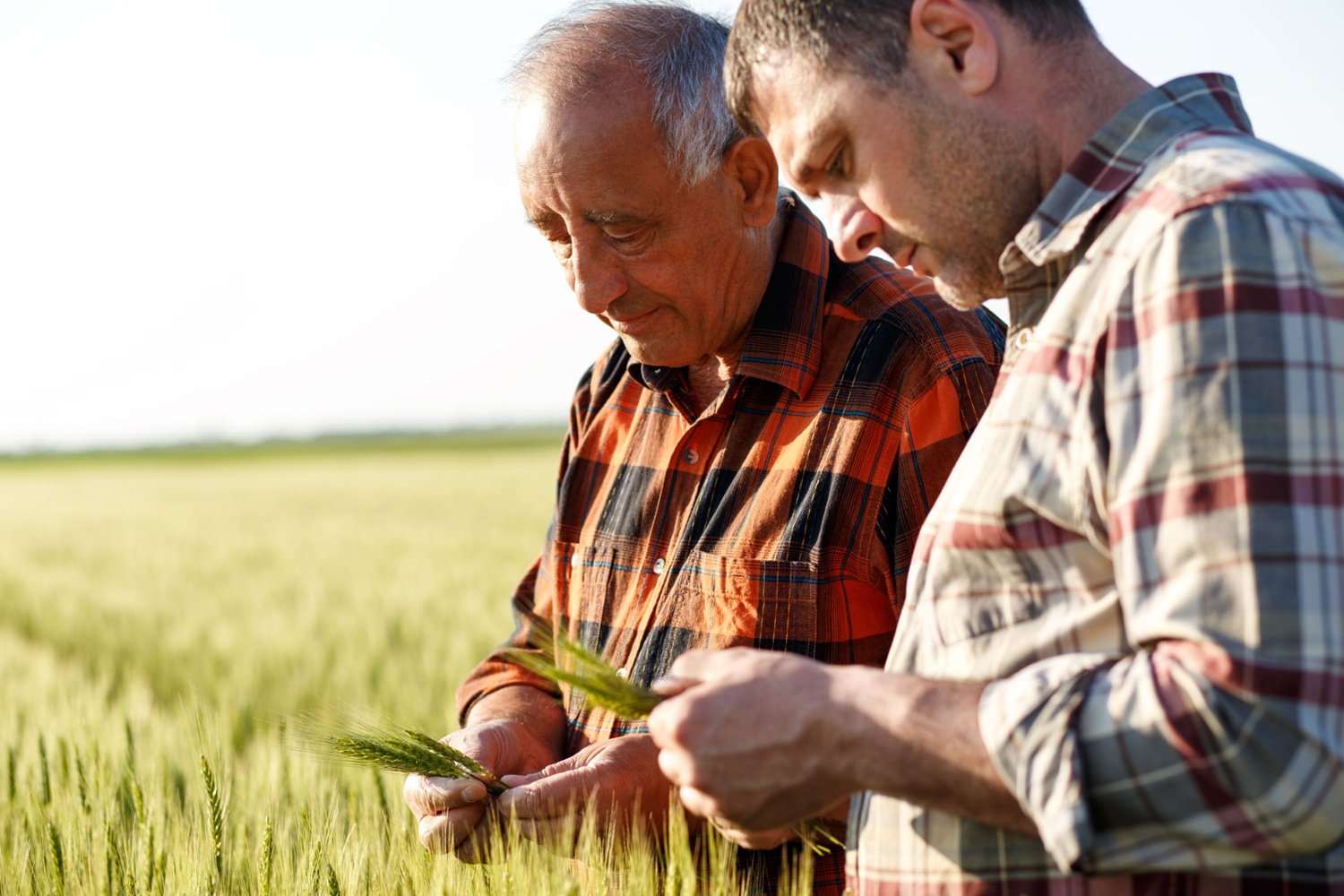
Biologicals in APAC: five insights shaping the future of biostimulants and biopesticides


Insight 01
APAC is three distinct biologicals markets - not one
The APAC region cannot be treated as a single market. It breaks into three distinct biologicals ecosystems, each driven by different production systems and economic realities.

Insight 02
Biostimulants remain under-measured, but the true market is much larger
Kynetec's current measured value for biostimulants in Australia stands at $184 million AUD, but this reflects limited data availability, not true market size. Most measurements come from incidental captures within farmer panels across cereals, rice and pastures.
However, gaps remain in fruit and vegetables, where biological adoption tends to be higher. With new panel collections underway, APAC's real biologicals footprint is expected to expand significantly.
Despite the measured decline in biostimulants across the reporting period, the microorganism segment is growing strongly, recording 18.7 per cent growth since our 2023 reporting and making it the category to watch.

Insight 03
Trust in biostimulants is still low and must be rebuilt through evidence
Feedback from Australian farmers and advisors reveals a clear pattern:
- Advisors see biostimulants as unproven and lacking trustworthy performance data.
- Farmers associate them with "natural methods" but remain cautious due to mixed results.
- Past over-promising and under-delivering products have damaged confidence in this category.
This means the path to adoption is clear:
- Rigorous local trials
- Transparent claims
- Strong agronomic evidence
- Region-specific performance stories
Insight 05
Biological growth in APAC hinges on local context, especially regulation and market maturity
Different markets have different adoption barriers.
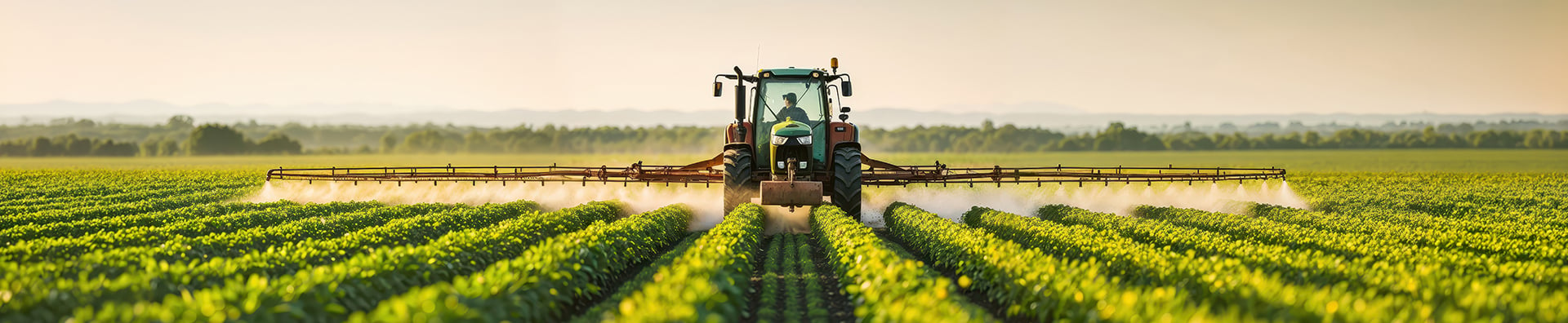
In India and parts of Southeast Asia: food security is the priority. Biologicals must prove they can match or improve yield reliability. A rapid switch without system readiness, such as Sri Lanka's overnight ban on synthetic inputs can have severe consequences.
In Australia and Japan: export market pressures and consumer expectations drive demand for softer chemistry. Retailers and processors are pushing sustainability down the supply chain. Biological adoption is expected to grow steadily, especially for biopesticides.
In China: adoption is increasing but still emerging. Biologicals must support large-scale, high-volume production systems. Focus remains on rice, maize and staple crops.

Conclusion
APAC is moving, but not uniformly
While LATAM and Europe often dominate global biologicals conversations, the APAC region represents a significant and strategically important growth frontier. With diverse production systems, strong export markets, and increasing consumer pressure, APAC is poised for greater biological adoption.
Yet growth will not be "one size fits all." Manufacturers must match strategies to the region's unique agronomic, regulatory and cultural realities.
With the industry's largest farmer panel and expanding biological datasets, Kynetec is uniquely positioned to help companies understand where biological opportunities exist in APAC and how to capture them.
If you'd like to discuss opportunities within specific APAC markets, our team would be happy to talk.


Beyond the Forecast: Building Decision-Grade Scenario Intelligence

Biologicals in APAC: five insights shaping the future of biostimulants and biopesticides

Maria McWhorter discusses the latest trends in agricultural technology adoption

Fast Forward Five Years: Prospects for the Indian Crop Protection Market According to Market Research

Seeds of Opportunity: Ag Market Research Explains Global Growth
Leading the charge: Crop protection in Argentina, Mexico, Brazil
From Regulation to Innovation: How China’s Crop Protection Market is Evolving

Nomman Ahmed Discusses the Role of Predictive Technology in Advancing Crop Protection

A Decade of Biopesticides Data in France Shows Both Uptake and Opportunity

"Progressive farmer" the target audience your agribusiness brand knows nothing about

Predictive Intelligence caught the US glyphosate dip. What could it tell you next?

Soybean pesticide market grows 50% in Brazil to US$11.4 bn

Feeding tomorrow: how foresight in data and analytics is changing the landscape of global agriculture
Brazilian coffee pesticide market up 17% in 2022-23

FarmTrak China 2022 rice survey highlights key trends over the last 12 years

Significant growth recorded in Brazilian soybean nutrition market

Pandemic resilience identified among farmers

Brazil's sugarcane sector and the rising value of agrochemicals

Australian agricultural machinery sales boom

Tenfold growth in the Brazilian nematicides market over eight harvests
China’s crop protection market value on the rise
Impact of weather changes on crop decisions in the US and Canada


.jpg)


.jpg)